The Evolution of Caller Identification: From Caller ID to Modern Reverse Lookup Tools
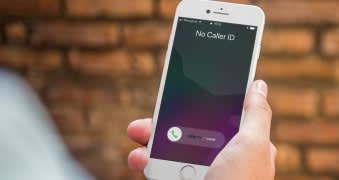
For years, the ringing phone was a small mystery. You picked it up, said hello, and hoped the voice on the other end was someone you wanted to talk to. Then Caller ID arrived, and suddenly you could see a name and a phone number before you answered. That simple feature changed how we handle calls. But caller identification has moved far beyond the basic name-and-number display that first appeared on landline screens. Today, with spam calls, robocalls, and phone spoofing on the rise, knowing who is really calling requires more than just glancing at a screen.
Modern caller identification is a layered process. It starts with the phone number itself, which carries information like the area code and the carrier. But a number can be faked, and a name on Caller ID can be anything the caller wants it to be. That is where reverse phone lookup services come in. By entering a phone number into a tool like the one offered by usaphonelookup.net, you can dig deeper than the surface-level name. You can see the registered owner, the type of line - whether it is a landline, a cell phone, or a VoIP number - and sometimes even location history. This extra context turns a simple phone number into a verifiable identity.
Why Basic Caller ID Is Not Enough Anymore
The old Caller ID system, known technically as CNAM, was designed for a simpler time. It was built for landlines, where the number and the name were tightly linked by the phone company. But the rise of VoIP and cell phones broke that link. Now, a telemarketer can place thousands of calls from a single VoIP account, each showing a different local number that belongs to someone else entirely. That is phone spoofing, and it is the main reason basic caller identification often fails.
When a spam call comes in showing a number with your own area code, your brain tells you it might be a neighbor. But the reality is that scammers use spoofing to trick you into picking up. The Federal Trade Commission has been fighting this for years with rules under the Telephone Consumer Protection Act and the Do Not Call Registry, but the problem keeps growing. In 2023 alone, the FTC received millions of complaints about unwanted calls, many of them robocalls and telemarketer pitches that used spoofed numbers. The Do Not Call Registry helps for legitimate businesses, but it does nothing to stop scammers who ignore the law.
This is where a reverse phone lookup becomes a practical tool. Instead of trusting the name that pops up on your phone, you can take that number and run it through a lookup service. The results often reveal whether the number is a known spam risk, what carrier owns it, and whether it matches the caller's claimed identity. For example, if a call claims to be from your bank but the reverse lookup shows a VoIP number registered in a different state, that is a red flag.

The Technical Side: How Caller Identification Works Today
Behind the scenes, caller identification uses a combination of databases and signaling protocols. When a call is placed, the phone network sends along the caller's number through a system called SS7 or, more recently, SIP headers in VoIP. The receiving phone then queries a CNAM database to match that number to a name. But CNAM databases are often outdated or incomplete. They might show the name of the original owner of a number that was reassigned years ago. That is why seeing a name on Caller ID does not guarantee accuracy.
Reverse phone lookup services build their own databases by aggregating public records, carrier data, and user reports. Services like Truecaller, Whitepages, and SpyDialer each have their own strengths. Truecaller relies heavily on user contributions, so its data is good for known spam numbers but weaker for private lines. Whitepages pulls from public directories and court records, which gives it broader coverage but can miss newer numbers. SpyDialer offers voice search and social media links, which can help identify a caller who does not show up in standard directories. Each approach has trade-offs, and the best tool depends on what kind of call you are trying to identify.
For the average person, the most important thing is to have a reliable way to check a number before calling back or sharing personal information. That is where the concept of caller identification becomes a practical habit rather than a passive feature. Instead of just looking at the screen and assuming it is correct, you take an active step to verify.
Spam Calls, Robocalls, and the Role of Call Blocking
Spam calls and robocalls are not just annoying. They cost Americans billions of dollars each year in scams and wasted time. The Federal Trade Commission has taken action against many operators, but the volume is staggering. In 2024, the average American received roughly 15 spam calls per month. Many of these are robocalls that use automated dialers to call thousands of numbers per minute. Some are telemarketer pitches for products you never asked about. Others are outright fraud attempts designed to steal your Social Security number or bank details.
Call blocking apps and phone carrier services have improved, but they are not perfect. They often rely on the same CNAM data that is easy to spoof. A more robust approach combines call blocking with caller identification through reverse lookup. When an unknown number rings, you can let it go to voicemail, then run the number through a lookup. If it matches a known spam number, you block it and move on. If it shows a legitimate business with a consistent history, you can call back with confidence.
The Telephone Consumer Protection Act (TCPA) is the main federal law that restricts telemarketer calls and robocalls. It requires telemarketers to get prior consent before calling, and it sets rules for auto-dialers and prerecorded messages. But enforcement is slow, and many telemarketer operations simply ignore the rules. That is why individual vigilance still matters. Knowing how to use caller identification tools effectively is a practical defense that no law can replace.
Practical Tips for Better Caller Identification
Here are a few straightforward practices that can help you get more out of caller identification:
- Always verify the number, not just the name. If the call seems urgent, hang up and call back using a number you know is real.
- Use a reverse phone lookup when you receive a call from an unknown number, especially if it is from a local number that seems off.
- Check the area code. Scammers often use numbers that match your area code to look familiar, but the real owner might be nowhere near you.
- Add your number to the Do Not Call Registry. It will not stop scammers, but it reduces legitimate telemarketer calls.
- Report spam calls to the Federal Trade Commission. Each report helps build patterns that can lead to enforcement actions.
These steps are simple, but they require a shift in mindset. Instead of reacting to every ring, you take a moment to investigate. That pause can save you from a lot of trouble.
Privacy and the Limits of Caller Identification
No caller identification system is perfect. Even the best reverse phone lookup can miss new numbers or show outdated information. And there is a trade-off between accuracy and privacy. Some lookup services store your search history or require an account, which creates its own privacy risk. Free services often rely on advertising or data sharing to stay in business. It is worth reading the privacy policy of any tool you use, especially if you are searching for numbers regularly.
Another limitation is that many cell phone numbers are unlisted. Carriers do not publish them in phone books, and CNAM databases for cell phones are often empty or show a generic label like "Wireless Caller." In those cases, caller identification might only reveal the carrier and the general location, not a specific name. That is still useful. If the number is from a different state than the caller claims to be in, you have a red flag. If the carrier is a VoIP provider known for spam, that is another warning.
Phone spoofing is the hardest problem to solve. Scammers can make any number show up on your Caller ID, including numbers that belong to real people or government agencies. The FCC has mandated a system called STIR/SHAKEN to verify that the number being displayed is actually the number placing the call. This helps for calls between major carriers, but it does not catch everything. Small VoIP providers and international calls can still bypass the checks. So even with STIR/SHAKEN, caller identification is not bulletproof.
Choosing the Right Tool for the Job
Different situations call for different lookup methods. If you are dealing with a persistent telemarketer, a service like Truecaller can help you block the number and see if others have reported it. If you are trying to identify an unknown caller who left a voicemail, SpyDialer lets you search by voice sample. If you need a background check on a number from a business or a person, Whitepages offers deeper public records. None of these is perfect, but each fills a specific role in the broader toolkit of caller identification.

The key is to use these tools as part of a routine, not just when you are suspicious. Make it a habit to run a reverse phone lookup on any number that you do not recognize, especially if the call involves money, personal data, or urgent requests. Over time, you will build a mental map of which numbers are safe and which are not.
Caller identification has come a long way from the simple name display on a landline. It now involves databases, user reports, carrier data, and even legal frameworks. But the core purpose remains the same: to help you decide whether to pick up the phone or let it ring. By combining the tools and practices described here, you can turn a passive screen into an active defense against spam, scams, and unwanted calls.